Pull together and pool together
In these challenging times, we need these home-grown, home-owned initiatives focused on fostering both financial support and solidarity. In my opinion, and guided by the wisdom of our ancestors, both are essential.
In these challenging times, we need these home-grown, home-owned initiatives focused on fostering both financial support and solidarity. In my opinion, and guided by the wisdom of our ancestors, both are essential.
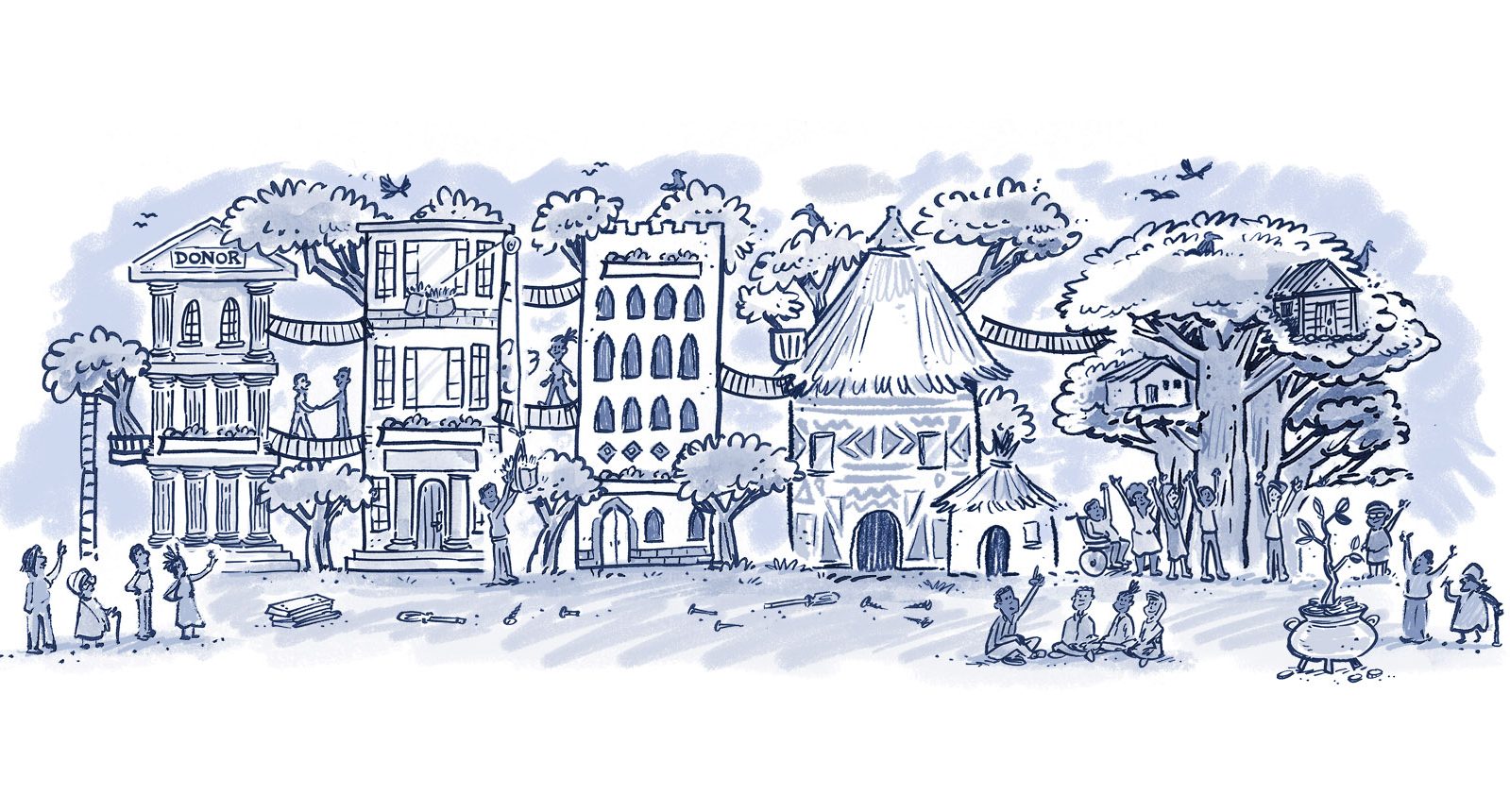
The reliance – even dependency – of large sections of southern civil society on international donor funding has long been an uncomfortable truth in our sector. A truth that has been easy to bat away, a can kicked down the road, tomorrow’s business. All of it perilously resting on the assumption of the current funding paradigm.
No one ever claims to hold power within philanthropy. I have met countless people who are well paid, who hold positions of power and/or are backed by endowments. Many of these always refer to another unknown power. From directors to project officers, trustees to backdoor funders; all of them referred to some other power over and above them. This is how systems work. They lie in nuance and ambiguity whilst explicit through tools and controls. Invisible, but always void of any of the accountability it demands of others. When it dies, it tends to implode in and of itself, rather than be dismantled externally.
It’s striking how enduring the logframe has been. Perhaps because many organisations were smaller and more centralised then, adoption was easier. Or perhaps once embedded in donor systems, it was too difficult to dislodge. It often feels like an attempt to nail spaghetti to a wall — to force complex, relational, adaptive work into a linear accountability framework.
Here’s what I’ve observed: the things we try to reform are rarely the ones that matter most. Reform tends to fixate on what can be measured, managed, and credited—where reformers still believe control is within reach—while quietly avoiding what they don’t understand, where control is harder to find. And nothing, I’d argue, is more misunderstood—or more resistant to control—than the gift.
What will it take to build a global civil society and funding system based on new ways of deciding and doing, that harnesses and mobilizes solidarity, money and other resources in ways that centre equity, justice and flourishing lives for all?
Everyone in our organisation understands the importance of data. We have intentionally built a system where every team member is involved in monitoring and evaluation. …
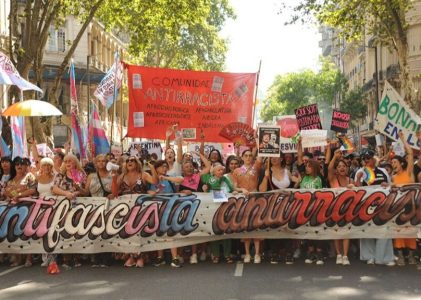
The massive demonstrations that took place on February 1st in various cities in Argentina represent an authentic resistance movement against President Milei’s speech at the …
Coming to Terms with the AID Freeze On 6 February 2025, at the invitation of the National Association for Non-Governmental (NANGO), I participated in the …
Ghana, a Giving for Change country with a population of over 32 million, is the second most populous country in West Africa. Like many other …